

📋 Table of Contents
Mobile phishing attacks represent an unprecedented threat to Saudi Arabian businesses in 2026, surpassing traditional email-based scams in sophistication and success rates. As organizations across the Kingdom accelerate digital transformation under Vision 2030, cybercriminals are exploiting the mobile-first workforce to compromise sensitive data, financial systems, and critical infrastructure. Understanding this evolving threat landscape is essential for protecting your business, employees, and competitive advantage in an increasingly connected Middle East.
Mobile Phishing Attacks Challenges in Saudi Arabia
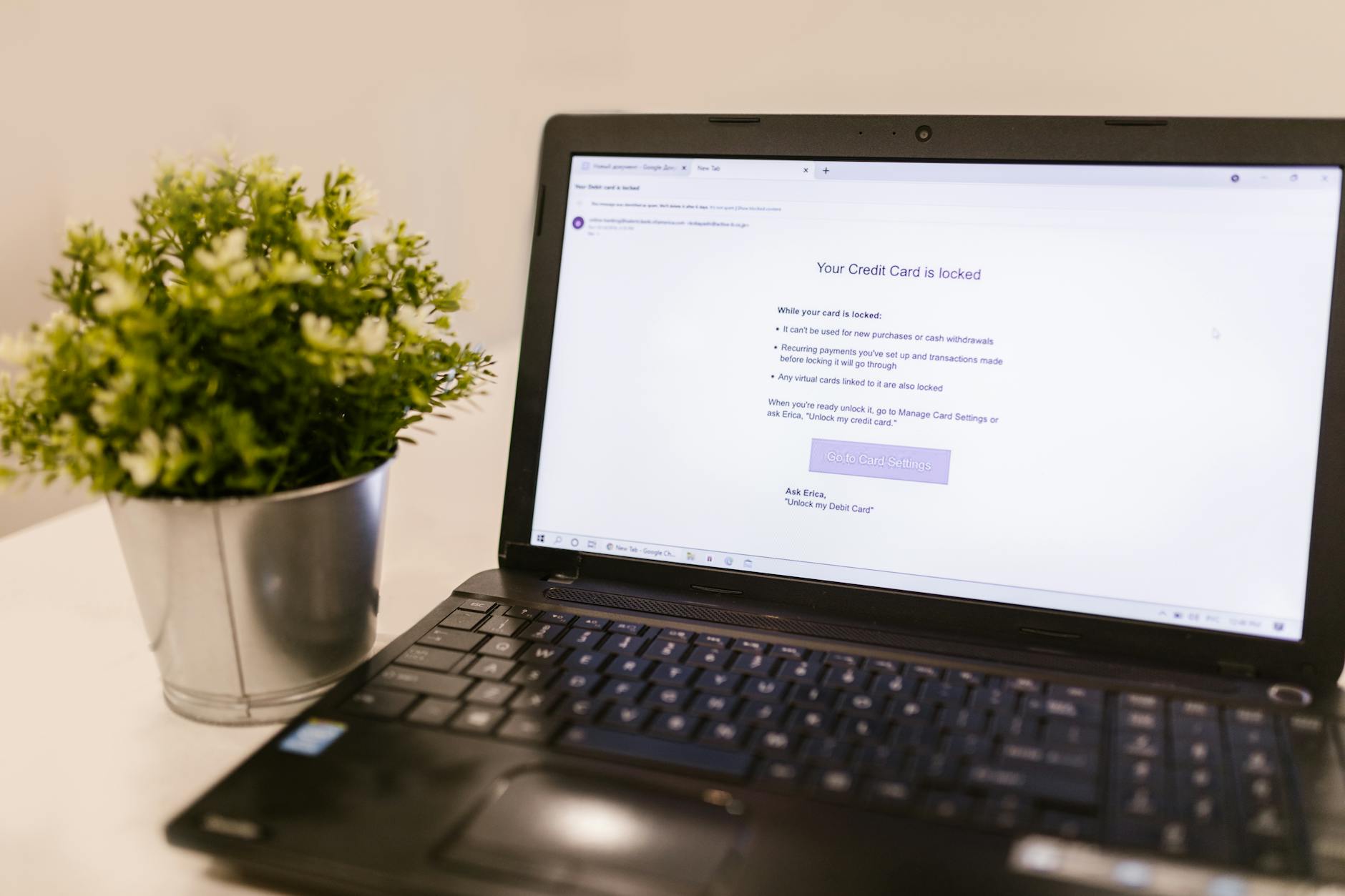
Mobile phishing attacks have become the preferred weapon of cybercriminals targeting Saudi businesses, and the statistics are alarming. Unlike traditional email phishing, mobile attacks leverage SMS, WhatsApp, social media, and mobile applications to bypass traditional security defenses. According to CISA (Cybersecurity and Infrastructure Security Agency), mobile phishing attempts have increased by over 50% globally, with Middle Eastern organizations reporting even higher incident rates.
In Saudi Arabia specifically, several factors amplify mobile phishing risks. First, smartphone penetration exceeds 80% nationwide, meaning nearly every employee carries a potential attack vector in their pocket. Second, many Saudi workers use personal mobile devices for business purposes, creating shadow IT vulnerabilities that traditional firewalls cannot protect. Third, cultural communication preferences for messaging apps over email mean employees are less cautious about clicking links in WhatsApp, Telegram, and Snapchat—platforms where phishing detection is minimal.
Attackers use sophisticated social engineering techniques tailored to Saudi business culture. They impersonate ARAMCO executives, SABIC leadership, banking officials, or government agencies, requesting urgent password resets, credential verification, or fund transfers. Mobile devices provide limited visibility into sender authenticity, making these attacks particularly effective. Financial institutions, oil and gas companies, telecommunications providers, and government agencies operating in Saudi Arabia face constant mobile phishing threats targeting employee credentials and system access.
Impact on Riyadh Businesses in 2026
Riyadh’s position as the economic heart of Saudi Arabia makes it ground zero for mobile phishing attacks targeting high-value organizations. As Vision 2030 initiatives accelerate digital investment in financial services, healthcare, tourism, and technology sectors, mobile phishing creates unprecedented operational and financial risks. The Riyadh Financial District alone hosts thousands of banking, investment, and fintech companies processing billions of riyals daily—making it an attractive target for sophisticated phishing campaigns.
For Riyadh-based organizations in 2026, mobile phishing breaches carry catastrophic consequences. A single successful attack compromising administrative credentials can grant attackers access to enterprise systems, customer databases, and financial records. Banks face regulatory penalties under Saudi Arabia’s cybersecurity framework and SAMA (Saudi Arabian Monetary Authority) requirements. Healthcare providers using mobile devices risk patient data exposure, violating MOH compliance standards. Enterprises supporting Vision 2030 megaprojects in NEOM, Qiddiya, and the Red Sea Project face espionage threats from state-sponsored phishing actors.
The business impact extends beyond immediate financial loss. Successful phishing attacks damage customer trust, trigger regulatory investigations, require expensive forensic analysis, and necessitate system remediation. Riyadh organizations must also consider geopolitical factors—mobile phishing campaigns linked to regional actors targeting Gulf Cooperation Council (GCC) businesses have increased significantly. An IBM Security report found that GCC organizations experience average breach costs exceeding $5.2 million, with mobile-based initial compromises representing the fastest-growing attack vector.
Best Practices to Protect Your Business
Defending against mobile phishing attacks requires a multi-layered approach combining technology, training, and policy:
1. Deploy Mobile Device Management (MDM) Solutions: Implement comprehensive MDM platforms that enforce security policies, require device encryption, and enable remote wipe capabilities if devices are compromised. This ensures organizational data remains protected even if an employee falls victim to phishing.
2. Enable Multi-Factor Authentication (MFA): Require MFA for all critical business applications and cloud services. Even if attackers capture employee credentials through phishing, they cannot access accounts without the second authentication factor.
3. Implement Advanced Email and SMS Filtering: Deploy solutions that scan incoming messages for phishing indicators, malicious links, and spoofed sender addresses. Many attacks target employee inboxes before they reach mobile devices, so blocking at the gateway prevents distribution.
4. Conduct Regular Security Awareness Training: Educate employees about mobile phishing tactics, how to verify sender authenticity, and when to report suspicious messages. Partner with qualified cybersecurity trainers familiar with Saudi business context.
5. Establish Incident Response Procedures: Create clear protocols for reporting suspected phishing, isolating affected devices, and conducting forensic investigations. Employees must know exactly who to contact and how to report threats without fear.
6. Monitor Application Permissions: Review and restrict permissions for mobile applications accessing sensitive data. Many phishing attacks succeed by tricking users into installing malicious apps that harvest credentials.
7. Enforce Zero Trust Architecture: Never assume users or devices are trustworthy simply because they’re on the corporate network. Verify every access request, whether from mobile or desktop, and implement principle of least privilege.
How VisitToMe Helps Riyadh Businesses
VisitToMe is a Riyadh-based IT company delivering expert cybersecurity solutions to organizations across Saudi Arabia and the GCC. Our certified specialists provide mobile threat detection and response, employee security awareness training tailored to Saudi business culture, and 24/7 security operations center (SOC) monitoring—supporting Vision 2030 goals by enabling secure digital transformation. Schedule your free IT security assessment today.
Frequently Asked Questions
What are mobile phishing attacks and why do they matter for Saudi businesses?
Mobile phishing attacks use SMS, messaging apps, and mobile browsers to trick employees into revealing credentials or installing malware. They matter for Saudi businesses because smartphone adoption is nearly universal, employees use personal devices for work, and Riyadh’s high-value organizations are prime targets. In 2026, mobile attacks outpace email phishing as cybercriminals exploit the Kingdom’s digital transformation under Vision 2030.
How can VisitToMe help with mobile phishing attacks in Riyadh?
VisitToMe is a trusted Riyadh IT company specializing in mobile security, threat detection, and employee training. We assess your current vulnerability to mobile phishing, deploy protective technologies, and educate your workforce on recognizing attacks. Contact us at visittome.com for a free security assessment.



Leave a Reply